When it is time to move a cab on, the same rule applies as when you bought it: presentation and honesty sell vehicles, and both save time. A licensed vehicle appeals to a narrow, knowledgeable audience — other drivers and operators — and that audience can spot a tidied-up problem from across a car park. The way to sell well is to have genuinely little to hide.
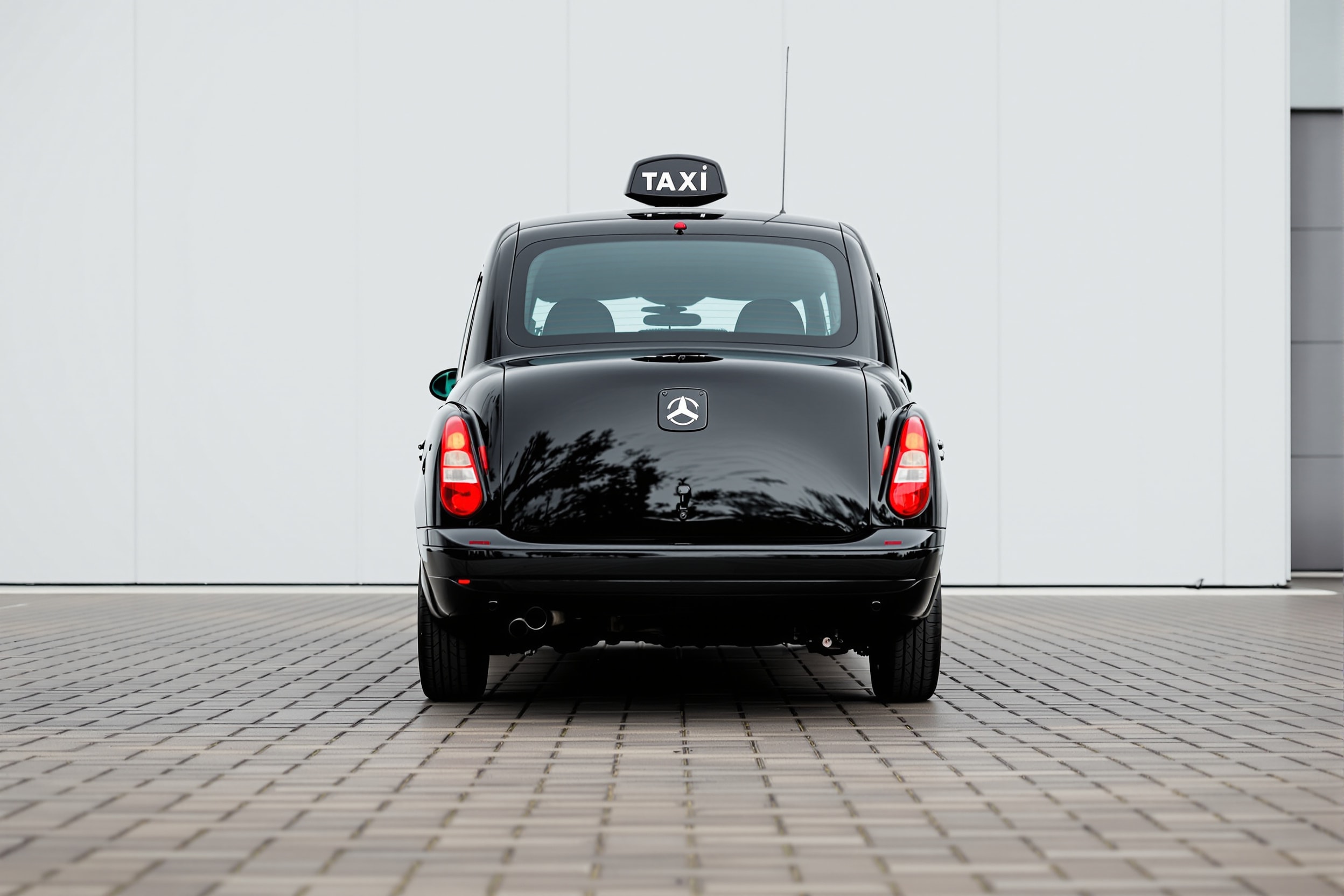
Prepare the Vehicle
Give yourself a fortnight before you advertise. Fix the small, obvious faults that make a buyer nervous about the big ones: a blowing bulb, a worn wiper, a warning light, a scuffed bumper. Have the interior properly valeted — taxis take heavy passenger wear and a clean, de-odorised cabin makes an enormous difference. If the MOT is close to running out, a fresh one removes a whole set of buyer worries at once.
Gather the Paperwork
Buyers of working vehicles want to see the history. Assemble it before the first viewing:
- The V5C registration document, in your name.
- Service records and receipts, especially for major work.
- MOT certificate and the online MOT history.
- Details of the current licensing plate and its expiry.
- Settlement figures for any outstanding finance, so a sale is not held up later.
Price It Fairly
Price is where most private sales go wrong. Research what comparable vehicles — same model, age, mileage and plate status — are actually achieving, not what hopeful sellers are asking. A working taxi's value is driven heavily by condition, service history and remaining plate life, so an honest, evidence-backed price that reflects those things will out-sell an optimistic one that sits unsold for months. Remember that an unsold vehicle still depreciates and still costs you to insure.
Photograph It Honestly
Clear, honest photographs do most of the selling. Shoot in daylight, from several angles, including the interior, the odometer, the plate and any wear or damage. Buyers trust a seller who shows the marks rather than hiding them, and you will waste far less time on viewings that end the moment someone spots something the photos concealed.
Handle Viewings and Payment Safely
Meet buyers in daylight in a public, well-populated place, and let them inspect the vehicle cold and take a sensible test drive with valid insurance in place. For payment, cleared funds are everything: confirm a bank transfer has actually landed in your account before you release the keys and the V5C. Complete the V5C change-of-keeper promptly with the DVLA so your responsibility for the vehicle ends cleanly.
Where and When to Advertise
A licensed vehicle sells to a specialist audience, so it pays to advertise where that audience actually looks. Specialist taxi-trade classifieds and driver communities reach buyers who understand what a plated cab is worth; general vehicle marketplaces cast a wider net but attract more questions from people unfamiliar with licensing; and word of mouth at the rank or through a local operator can move a good vehicle before it is ever listed. Many sellers use more than one channel at once.
Timing matters too. Demand from the trade tends to follow the work — drivers replace vehicles when takings are steady and confidence is high, and hold off when costs spike. A vehicle whose plate and MOT both have plenty of time left is far easier to sell than one the buyer must immediately re-test and re-license, so, where you can, sell before those deadlines loom rather than after.
Presentation Beats Persuasion
You do not need to talk a taxi up. A clean, sorted vehicle with a folder of history and a fair price sells itself to the right buyer, usually quickly. If you are between vehicles, our guide to buying a used taxi covers the other side of the same handshake, and the inspection checklist shows you exactly what your buyer will be looking for.