To an outsider a taxi is a taxi. To the trade there are clear categories, and the differences decide what work a vehicle can do, how it can be hailed, and what it is worth. Before buying or selling, it pays to know exactly which category a vehicle sits in.
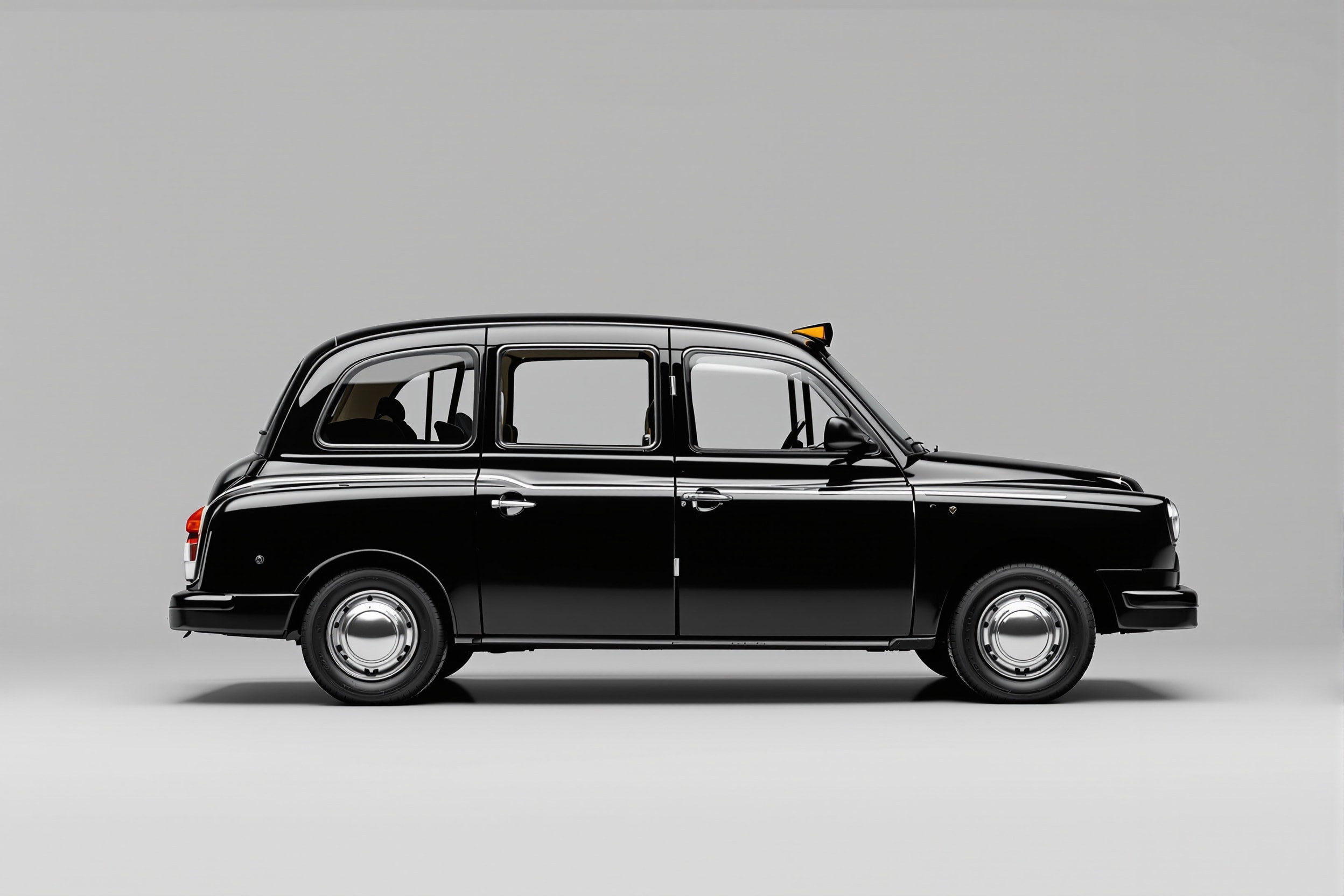
Hackney Carriages (Black Cabs)
A Hackney carriage is a taxi that may be hailed in the street or picked up at a rank without a pre-booking. In many towns and cities these are the familiar purpose-built cabs: a high, rounded body, a tight turning circle, a partition between driver and passengers, and wheelchair-accessible access as standard. The classic London-style cab is the best-known example, but the category covers any vehicle a council licenses as a Hackney carriage, including some saloon and estate cars in smaller districts.
Purpose-Built Cabs
Purpose-built taxis are engineered around the accessibility and durability rules rather than around private-buyer comfort. Over the decades the trade has been served by a small, well-known family of models — among them the long-running London Taxis International TX series (TX1, TXII and TX4), the earlier Fairway and FX4, and the Metrocab. These names come up constantly in the used market, and each has its own known strengths and weak points, so research the specific model before you commit.
Private Hire Vehicles
A private hire vehicle (PHV) must be booked in advance through a licensed operator; it cannot legally be hailed in the street or wait on a rank for passengers. Because they never have to satisfy the street-hail and rank rules, PHVs are usually ordinary cars, estates, MPVs or minibuses adapted to licensing standards. This is the larger and more varied part of the market, and where most newcomers start.
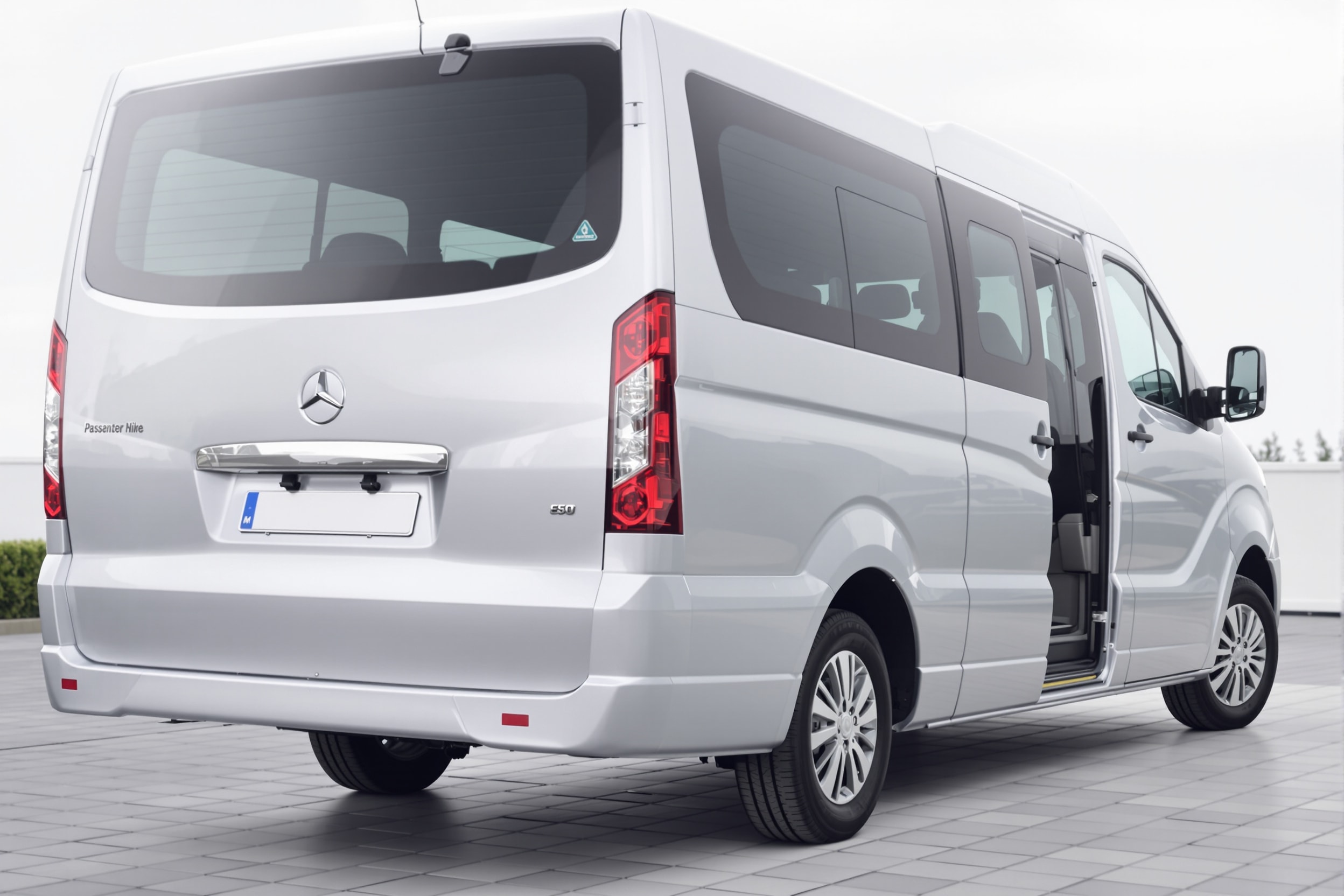
Saloons, Estates and MPVs
For everyday private hire — account work, airport transfers, school contracts — comfortable, economical saloons and estates dominate, with MPVs such as people-carrier models popular where extra seats or luggage space are needed. Fuel economy and running costs matter enormously here, because private hire work is often high-mileage and price-competitive.
Minibuses
Larger private hire and contract work — group transfers, community transport, hotel shuttles — uses minibuses based on vehicles like the Mercedes and Volkswagen panel-van ranges. These carry additional rules around passenger numbers, seat-belt provision and, above certain thresholds, driver entitlements, so check what your licence and your council require before buying one.
Fuel, Emissions and the Electric Shift
The taxi trade sits on the front line of the shift to cleaner vehicles. Many towns and cities now operate clean-air or low-emission zones, and a growing number of councils set emissions standards or age limits that favour newer, cleaner cabs — and, increasingly, fully electric ones. Purpose-built taxis are now sold as electric models, and private hire fleets are steadily adopting hybrids and battery-electric cars.
For a buyer this cuts both ways. An older diesel cab may be cheaper to buy but harder to license in a clean-air zone and dearer to run as fuel and charges rise; a newer low-emission vehicle costs more up front but protects you against tightening rules. Check the current and planned emissions requirements for the area you intend to work in — your local council, and in the capital Transport for London, are the authorities — before you weigh one vehicle against another.
Which Should You Choose?
The right category follows the work, not the other way round. If you want to work ranks and street hails in a city, you need a Hackney carriage that your council will plate. If you will take pre-booked jobs through an operator, a well-chosen private hire car or minibus is usually cheaper to buy and run. Either way, confirm the licensing position first — see our taxi licensing overview — and then work through the buyer's guide for the specific vehicle.